
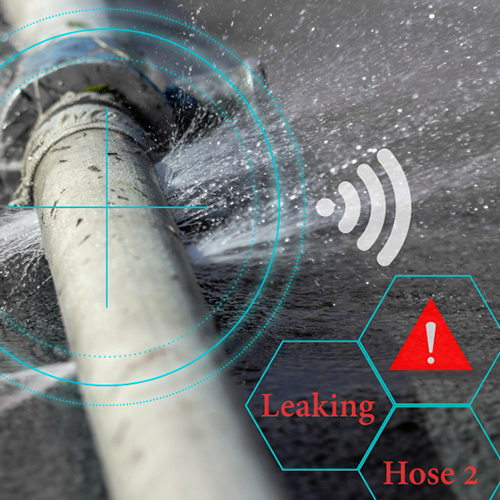
Water leaks can cause significant damage to residential, commercial, and industrial properties if left undetected. In Singapore, where high-rise buildings, concealed piping systems, and humid environmental conditions are common, identifying hidden leaks quickly is essential to prevent costly repairs and water wastage.
Modern leak detection technology has transformed the way professionals locate leaks without destructive hacking or unnecessary dismantling of walls and floors. Among the most effective non-invasive leak detection methods are borescope inspection, thermal imaging, and ultrasonic leak detection.
Understanding the strengths and limitations of each technology can help property owners make informed decisions when seeking professional leak detection services in Singapore.
Why Accurate Leak Detection Matters
Hidden water leaks often develop behind walls, under flooring, above ceilings, or within concealed pipe networks. Without proper detection equipment, locating the source of a leak can become a time-consuming and expensive trial-and-error process.
Professional leak detection services use advanced diagnostic tools to:
- Detect hidden water leaks without excessive hacking
- Reduce repair costs and property damage
- Prevent mould growth and structural deterioration
- Minimise water wastage
- Speed up repair works
- Improve maintenance planning for buildings and facilities
Three of the most commonly used technologies are borescopes, thermal imaging cameras, and ultrasonic leak detectors. We hop on a leak detect comparison to better understand the differences and which would be useful on different types of water leaks in singapore.
What is Borescope Leak Detection?
A borescope is a specialised inspection camera attached to a flexible or rigid tube that can be inserted into confined spaces. The device transmits live video footage, allowing technicians to visually inspect hidden areas without major demolition.
How Borescope Inspection Works
Technicians insert the borescope through small access points to examine:
- Ceiling cavities
- Wall voids
- Pipe interiors
- Air conditioning ducts
- Service shafts
- Underfloor spaces
The high-resolution camera provides real-time images that help identify visible signs of leakage, corrosion, cracks, blockages, and water accumulation.
Advantages of Borescope Inspection
Direct Visual Confirmation
Unlike other detection methods, borescopes provide actual visual evidence of the leak source.
Minimal Property Damage
Only a small access hole may be required, reducing unnecessary hacking.
Ideal for Tight Spaces
Borescopes can access locations that are impossible to inspect manually.
Useful for Pipe Condition Assessment
Technicians can identify corrosion, pipe deterioration, and physical damage.
Limitations of Borescope Detection
While highly effective for visual inspections, borescopes cannot detect leaks hidden behind solid surfaces unless access points are available. They are often used alongside other leak detection technologies for more accurate results.
What is Thermal Imaging Leak Detection?
Thermal imaging, also known as infrared leak detection, uses specialised cameras that detect temperature differences across surfaces.
When water leaks occur behind walls, floors, or ceilings, moisture often changes the temperature profile of surrounding materials. Thermal cameras capture these variations and display them as colour-coded images.
How Thermal Imaging Detects Water Leaks
Water typically absorbs and retains heat differently than surrounding materials. As a result, affected areas may appear warmer or cooler than adjacent surfaces.
Professional thermal imaging inspections can identify:
- Hidden water leaks
- Roof leaks
- Ceiling seepage
- Pipe leaks behind walls
- Moisture intrusion
- Air conditioning condensation issues
Advantages of Thermal Imaging
Non-Invasive Detection
No drilling or dismantling is required during the initial inspection.
Fast Property-Wide Assessment
Large areas can be scanned quickly, making thermal imaging suitable for commercial buildings and condominiums.
Early Leak Detection
Potential moisture issues can be identified before visible damage appears.
Accurate Moisture Mapping
Thermal images help technicians narrow down the affected area.
Limitations of Thermal Imaging
Thermal imaging identifies temperature anomalies rather than water itself. Environmental factors such as sunlight, air conditioning, weather conditions, and material composition can affect readings.
For this reason, experienced leak detection specialists often combine thermal imaging with other diagnostic methods to verify findings.
What is Ultrasonic Leak Detection?
Ultrasonic leak detection is one of the most advanced methods used by professional leak detection companies in Singapore.
This technology detects high-frequency sound waves generated when water, air, or gas escapes from pressurised systems through small openings.
Most of these sound frequencies are beyond human hearing, but specialised ultrasonic sensors convert them into measurable signals.
How Ultrasonic Leak Detection Works
When water leaks through a crack, joint, or damaged section of pipe, turbulence creates ultrasonic sound waves.
Ultrasonic detectors capture these signals and help technicians pinpoint the exact location of the leak.
The technology is particularly useful for:
- Concealed water pipe leaks
- Underground pipe leaks
- Pressurised plumbing systems
- Commercial water networks
- Industrial piping systems
Advantages of Ultrasonic Leak Detection
Extremely Accurate Leak Location
Ultrasonic technology can identify leaks with exceptional precision.
Effective for Hidden Pipes
Leaks behind walls, floors, and underground installations can often be detected without excavation.
Suitable for Small Leaks
Even minor leaks that are not yet visible can generate detectable ultrasonic signals.
Minimal Disruption
The process is entirely non-destructive and reduces unnecessary hacking.
Limitations of Ultrasonic Detection
Background noise and complex building environments may occasionally interfere with readings. However, skilled technicians can usually differentiate leak signals from surrounding noise.
Borescope vs Thermal Imaging vs Ultrasonic Detection
Each technology serves a different purpose in the leak detection process.
Borescope Inspection
Best for:
- Visual inspection of hidden spaces
- Confirming visible damage
- Assessing internal pipe conditions
- Investigating confined areas
Thermal Imaging
Best for:
- Moisture detection behind surfaces
- Building-wide leak surveys
- Roof and ceiling inspections
- Early-stage leak identification
Ultrasonic Detection
Best for:
- Precise leak location
- Hidden pipe leaks
- Underground water leaks
- Pressurised plumbing systems
Which Leak Detection Method is Most Effective?
There is no single technology that works best for every situation.
Professional leak detection companies in Singapore typically combine multiple diagnostic tools to achieve the highest level of accuracy.
For example:
- Thermal imaging may identify a moisture-affected area.
- Ultrasonic detection may narrow down the exact leak location.
- A borescope may then provide visual confirmation before repairs begin.
This multi-technology approach reduces false positives and minimises unnecessary property damage.
Choosing a Professional Leak Detection Company in Singapore
When selecting a leak detection specialist, property owners should look for a company that offers:
- Non-invasive leak detection services
- Thermal imaging inspections
- Ultrasonic leak detection equipment
- Borescope inspection capabilities
- Experienced certified technicians
- Residential and commercial leak detection expertise
A comprehensive leak detection process ensures faster diagnosis, lower repair costs, and minimal disruption to occupants.
Borescope vs Thermal Imaging vs Ultrasonic Detection
As buildings become more complex and concealed piping systems more common, advanced leak detection technologies have become essential for accurate diagnosis.
Borescope inspections provide direct visual evidence, thermal imaging helps identify hidden moisture patterns, and ultrasonic detection pinpoints leak locations with remarkable precision.
For property owners seeking reliable leak detection services in Singapore, the most effective solution is often a combination of all three technologies. By leveraging modern non-destructive leak detection methods, professionals can locate hidden leaks quickly, minimise property damage, and help prevent costly long-term repairs.